
Quartz vs. Artificial Marble: The Ultimate Engineered Stone Showdown
When you are remodeling a kitchen or bathroom, choosing the right surface material can feel like a maze of technical terms. Two options you will inevitably run into are Quartz and Artificial Marble (often called cultured marble or engineered marble). While both are "engineered stones" created in a factory rather than mined directly from the earth in solid blocks, they have very different personalities, strengths, and ideal uses. Let’s break down exactly what sets them apart so you can make the right call for your space.
vaibhav bapna
7/18/20262 min read
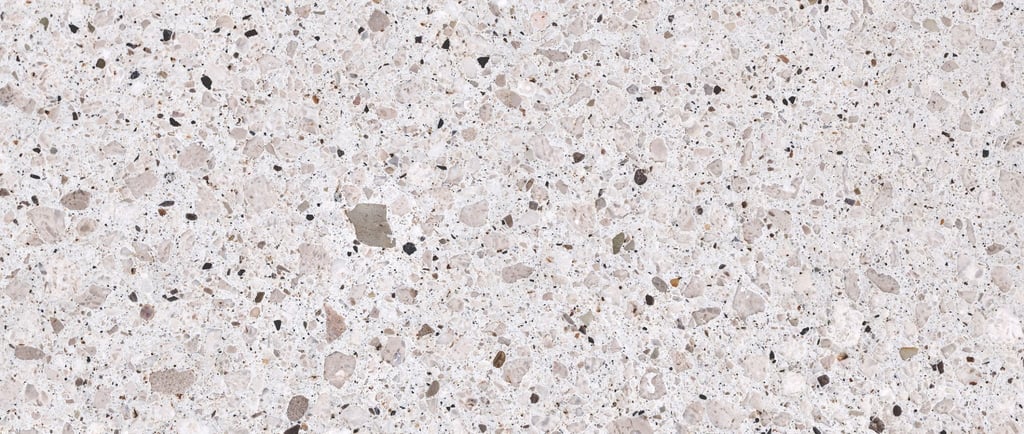
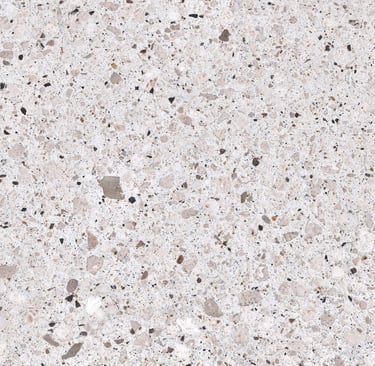
1. What Are They Made Of?
The fundamental difference lies in the "ingredients" used to create the slabs.
Quartz: Made by combining roughly 90% to 95% crushed natural quartz mineral (one of the hardest minerals on earth) with 5% to 10% polymer resins and pigments. It mimics the density of granite but offers a much more uniform appearance.
Artificial Marble: Made primarily from crushed natural marble debris, calcium carbonate, or limestone dust bound together with polyester resins. It is formulated to replicate the classic, sweeping veins of authentic marble at a fraction of the cost.
2. Durability and Scratch Resistance
If you are choosing a surface for a high-traffic area like a kitchen island, durability is everything.
Quartz is the clear winner here. Because its primary ingredient is quartz mineral, it is incredibly hard and highly resistant to scratches, chips, and daily wear and tear. You can work directly on it with minimal worry.
Artificial marble, relying on a softer calcium-based marble base, is significantly more prone to scratching. A dropped heavy pan or an accidental slip of a kitchen knife can easily leave a mark.
3. Porosity and Stain Resistance
This is where the two materials diverge most sharply in daily performance:
The Chemistry Zone: Natural marble is filled with microscopic pores that absorb liquids. While artificial marble uses resin to seal many of these gaps, its calcium-based base remains highly sensitive to acidic etching (damage caused by lemons, vinegar, or wine) and can stain if spills are left sitting.
Quartz, on the other hand, is completely non-porous. It won't absorb coffee, wine, or oils, and it never requires sealing.
Head-to-Head Comparison
FeatureQuartzArtificial MarblePrimary IngredientCrushed Quartz Mineral (~90%)Crushed Marble/Limestone DustScratch ResistanceExtremely HighModerate to LowStain & Acid SafetyNon-porous; won't etchCan etch from acids; moderate stain riskBest Used ForKitchen counters, high-use barsBathroom vanities, shower walls, accentsMaintenanceZero sealing required; soap & waterRequires gentle cleaning; avoid harsh acids
Which One Should You Choose?
Go with Quartz if...
You are designing a busy kitchen, love low-maintenance living, and want something that can handle heavy cooking, spilled red wine, and energetic kids without breaking a sweat.
Go with Artificial Marble if...
You are updating a bathroom vanity, accent wall, or fireplace surround. It gives you that stunning, luxurious aesthetic of high-end Carrara marble with better uniformity and a much lower price tag than the real thing.
Bapna Marbles (INDIA)
Reach out for custom marble and granite work
Phone
© 2026 Bapna marble (India). All rights reserved.
Address
Bapna marble opposite kota stone, Kelwa Road, pasoond rajsamand - 313324, India.
Contact
Connect with us