
The Complete Granite Guide: What It Is and How to Choose the Best Slabs for Your Home
Dive into the science behind granite's legendary durability and learn the step-by-step process professional designers use to pick the perfect colors, patterns, and finishes for residential spaces.
vaibhav bapna
3/26/20264 min read
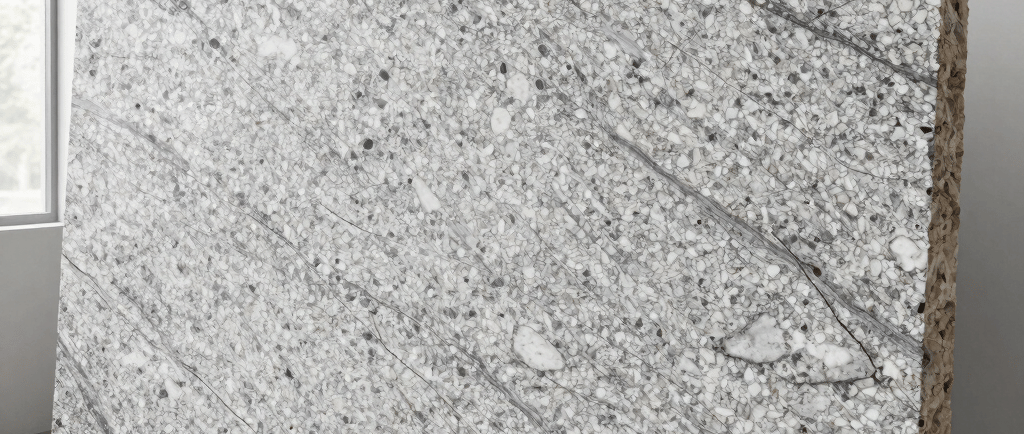
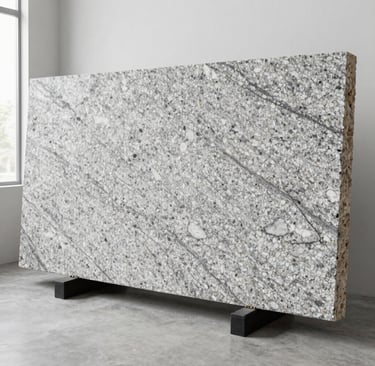
Title: The Complete Granite Guide: What It Is and How to Choose the Best Slabs for Your Home
Description: Dive into the science behind granite's legendary durability and learn the step-by-step process professional designers use to pick the perfect colors, patterns, and finishes for residential spaces.
Post Author: [Your Name / Company Name]
Post Date: May 18, 2026
If your home remodeling project demands a material that is virtually indestructible, completely unique, and highly valuable, look no further than granite. For decades, granite has reigned supreme as the premier choice for kitchen countertops, high-traffic flooring, and outdoor living spaces.
However, walking into a stone yard to pick out a slab can be daunting. With hundreds of colors, varying patterns, and different finishes available, making the right choice requires a mix of geological understanding and design strategy.
Here is everything you need to know about what granite is and how to choose the perfect piece for your home.
What is Granite? The Volcanic Powerhouse
From a geological perspective, granite is an intrusive igneous rock (Samarakoon et al., 2023). Its story begins deep beneath the Earth's surface, where molten volcanic magma gets trapped in underground pockets. Instead of erupting and cooling rapidly, this magma is subjected to intense pressure and cools incredibly slowly over thousands or millions of years.
As it cools, different minerals pack together and crystallize into an interlocking, dense matrix. The main ingredients of granite are:
Quartz: Gives the stone its signature glassy hardness and reflective sparkle.
Feldspar: Provides the foundational background colors like cream, pink, white, or grey.
Mica and Amphiboles: Create the dark, shimmering flecks, veining, and unique mineral "bursts."
Because these mineral crystals lock together completely, granite has virtually no internal air pockets. This tight structure gives granite its legendary resistance to heat, scratches, and heavy impacts.
Why Choose Granite for Your Home?
Heat Resistance: Granite is forged in volcanic heat. You can take a boiling hot pan directly off the stove and set it on a granite countertop without worrying about melting, scorching, or discoloring the surface.
Scratch Protection: Ranking at a 6 to 7 on the Mohs Hardness Scale, granite is harder than a steel kitchen knife. Slicing vegetables directly on the stone won’t scratch it (though it will dull your knives!).
High Resale Value: Homebuyers view granite as an expensive, premium upgrade. Installing it instantly boosts your home's equity and modern appeal.
How to Choose the Perfect Granite for Your Space
Selecting the right slab involves navigating three main design pillars: pattern, color, and finish.
1. Select the Right Pattern Style
Granite patterns generally fall into three distinct visual categories:
Solid/Uniform: These slabs have a tightly packed, consistent speckle pattern with very little variation from one end to the other. They are ideal for clean, modern, or minimalist spaces where you want the countertop to act as a subtle backdrop.
Marbled/Veined: Some exotic granites mimic the flowing, elegant veins of marble. These are perfect if you love the dramatic, artistic look of marble but want the indestructible durability of granite.
Speckled/Dynamic: Featuring massive clusters of shimmering mica, large mineral crystals, and unpredictable color shifts, these slabs act as the visual centerpiece of a room.
2. Balance the Color Under-tones
When choosing a color, always look at the surrounding cabinetry and natural light in your home (Kaur et al., 2022):
Dark Cabinets? Look for light, creamy granites (like Kashmir White or Colonial Gold) to create a bright, high-contrast, welcoming space.
Light/White Cabinets? Dark charcoal, emerald, or solid black granites (like Absolute Black or Ubatuba) anchor the room beautifully, adding a rich, grounding sense of luxury.
The Light Test: Bring a sample of your cabinet color and paint to the stone yard. View the granite under natural daylight, but also ask to see it under warm LED light to ensure the undertones don't clash.
3. Choose the Surface Finish
The texture of your stone alters how it feels and how it reflects light in the room:
Polished Finish: The traditional choice. It creates a mirror-like shine that deepens the stone’s colors and highlights the hidden crystals, making it highly stain-resistant.
Honed Finish: A smooth, matte surface with zero reflections. It offers a contemporary, casual look and is excellent at hiding fingerprints and water spots.
Leathered Finish: A textured, textured profile that retains the natural, rugged contours of the stone. It feels amazing to touch and hides minor dust and wear perfectly, making it ideal for rustic or outdoor kitchen spaces.
The Pro-Buyer’s Step-by-Step Checklist
View the Exact Slab: Never buy granite from a tiny sample tile. Because it is a natural product, one corner of a slab can look completely different from the other. Always view and approve the exact, full-sized slab you are buying.
Inspect for Fissures: Run your hands across the slab at the yard. Natural fissures are common and safe, but avoid deep cracks that penetrate through the entire thickness of the stone, as they can break during transport or installation.
Factor in the Sealing: While granite is highly stain-resistant, lighter-colored granites are slightly more porous than dark ones. Ensure your installer applies a professional-grade penetrating sealer to keep liquids pooling safely on top.
References
Kaur, J., Kumar, R., & Kaur, M. (2022). Psycho-spatial impact of colors and textures of natural stones in residential interior environments. Journal of Interior Design & Architecture Studies, 7(2), 45–58.
Přikryl, R. (2013). Assessment of stone color and its variations for architectural applications. Construction and Building Materials, 40, 233–242. https://doi.org/10.1016/j.conbuildmat.2012.09.098
Samarakoon, K. G. A. U., Chaminda, S. P., Jayawardena, C. L., Dassanayake, A. B. N., Kondage, Y. S., & Kannangara, K. A. T. T. (2023). A Review of Dimension Stone Extraction Methods. Mining, 3(3), 516–531. https://doi.org/10.3390/mining3030029
Bapna Marbles (INDIA)
Reach out for custom marble and granite work
Phone
© 2026 Bapna marble (India). All rights reserved.
Address
Bapna marble opposite kota stone, Kelwa Road, pasoond rajsamand - 313324, India.
Contact
Connect with us