
The Ultimate Guide to Marble: What It Is and Why You Should Choose It for Your Home
Discover the geological origins of marble and uncover the distinct aesthetic, structural, and financial benefits of incorporating this timeless natural stone into your residential space.
vaibhav bapna
2/6/20243 min read
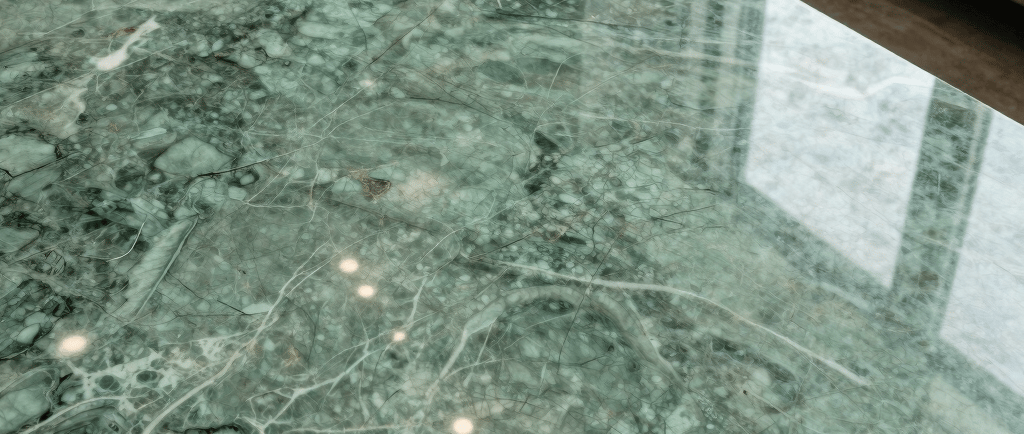
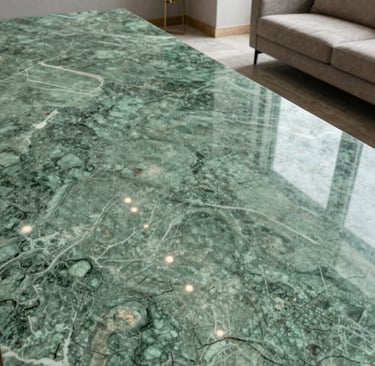
For centuries, marble has been the definitive hallmark of luxury, art, and architectural triumph. From the grand palaces of antiquity to the sleek, minimalist interiors of modern penthouses, this captivating natural stone remains one of the most coveted materials in residential design.
But what exactly is marble, and why does it continue to outshine synthetic alternatives in the modern home? Let's dive into the science, history, and practical advantages of installing marble in your living space.
What is Marble? The Geological Origin
From a scientific standpoint, marble is a metamorphic rock (Přikryl, 2013). It begins its life deep within the earth as sedimentary limestone or dolomite rock. Over millions of years, intense heat and crushing tectonic pressure completely recreate the stone's internal structure—a process known as recrystallization.
During this intense transformation, the original carbonate minerals fuse into an interlocking mosaic of calcite crystals. The iconic streaks, swirls, and veins that we associate with luxury marble are actually mineral impurities—such as clay, silt, sand, or iron oxides—that were trapped in the limestone layers during its metamorphosis (Kaur et al., 2022). If the original limestone was completely pure, the resulting marble is a dazzling, pristine white.
Why You Should Install Marble in Your Home
Investing in natural marble countertops, flooring, or accent walls offers unparalleled long-term value. Here are the top reasons professionals choose marble for residential spaces:
1. Unmatched Aesthetic Brilliance & Uniqueness
Because marble is forged by natural, chaotic geological forces, no two slabs on earth are identical. When you install marble, you are installing a completely unique piece of natural history. Furthermore, marble possesses a distinct property known as translucency. Because of its crystalline calcite structure, light actually penetrates a few millimeters into the surface of the stone before reflecting back out, giving marble a characteristic luminous glow that synthetic materials cannot replicate (Kaur et al., 2022).
2. Exceptional Longevity and Durability
When properly maintained, marble lasts for generations. It is naturally resistant to shattering and can easily withstand everyday residential impacts. Unlike engineered surfaces or wood, marble can be professionally ground down, re-polished, and restored to its original luster decades after installation, making it a highly sustainable, lifetime material (Přikryl & Török, 2010).
3. Natural Thermal Regulation (The Cool Touch)
Marble is highly dense and possesses excellent thermal conductivity. It transfers heat away from its surface incredibly quickly, meaning it remains naturally cool to the touch even in scorching summer heat. For homes in warmer climates, marble flooring acts as a passive cooling system for your feet and home. Conversely, it works beautifully with modern underfloor radiant heating systems, absorbing and evenly distributing warmth during the winter.
4. Boosts Property Resale Value
Marble is universally recognized as a premium, high-end material. Real estate metrics consistently show that homes featuring natural stone elements—especially in kitchens and primary bathrooms—command significantly higher appraisal values and attract premium buyers faster than homes with laminates or tiles.
Best Applications for Marble in the Home
To maximize its beauty and performance, it helps to place marble in environments where its specific strengths can shine:
Foyers and Entryways: A polished marble entryway creates an immediate, unforgettable first impression of elegance.
Primary Bathrooms: Utilizing marble on vanity tops, shower walls, and floors evokes a serene, high-end spa atmosphere.
Fireplace Surrounds: Because marble is inherently heat-resistant, it serves as a stunning, safe, and dramatic frame for living room hearths.
Summary Checklist for Homeowners
Embrace the Patina: Marble is a softer stone than granite; understand that it can scratch or etch over time, which adds a historic, European character to the home.
Always Seal It: Apply a high-quality impregnating sealer upon installation to protect its porous crystalline structure from stains.
Choose the Right Finish: Opt for a polished finish if you want high drama and maximum light reflection, or a honed (matte) finish to cleverly conceal minor scratches and etching.
References
Kaur, J., Kumar, R., & Kaur, M. (2022). Psycho-spatial impact of colors and textures of natural stones in residential interior environments. Journal of Interior Design & Architecture Studies, 7(2), 45–58.
Přikryl, R. (2013). Assessment of stone color and its variations for architectural applications. Construction and Building Materials, 40, 233–242. https://doi.org/10.1016/j.conbuildmat.2012.09.098
Přikryl, R., & Török, Á. (2010). Natural stones for monuments: their availability for restoration and evaluation. Geological Society, London, Special Publications, 333(1), 1–9. https://doi.org/10.1144/sp333.1
Bapna Marbles (INDIA)
Reach out for custom marble and granite work
Phone
© 2026 Bapna marble (India). All rights reserved.
Address
Bapna marble opposite kota stone, Kelwa Road, pasoond rajsamand - 313324, India.
Contact
Connect with us